Aging equipment, a shrinking skilled workforce, and the relentless pressure to keep production lines running — these challenges are all too familiar for maintenance managers and plant engineers in U.S. manufacturing. Artificial intelligence isn’t some distant promise; it’s a practical tool that’s already helping teams solve these problems today.
In this article, we’ll walk through how two distinct AI approaches are transforming equipment maintenance — from the concrete benefits they deliver to a practical adoption roadmap, and ultimately, what the future looks like when AI and experienced technicians work side by side. You’ll see how AI can turn decades of tribal knowledge into an asset everyone on the team can access, creating an operation that prevents breakdowns before they happen and gets lines back up fast when they do.
1. The Maintenance Crisis in U.S. Manufacturing — Why the Status Quo Is No Longer Sustainable
The maintenance landscape in American manufacturing is under mounting pressure. Equipment that’s been running for decades is showing its age, the technicians who know these machines inside and out are retiring, and the next generation of workers doesn’t have decades of hands-on experience to fall back on.
This isn’t just an operational headache — it’s a structural challenge that affects competitiveness, product quality, and ultimately, the bottom line. Understanding the scope of this crisis is the first step toward recognizing why AI-driven solutions have become essential.
The “Triple Threat”: Aging Equipment, Workforce Shortages, and the Knowledge Gap
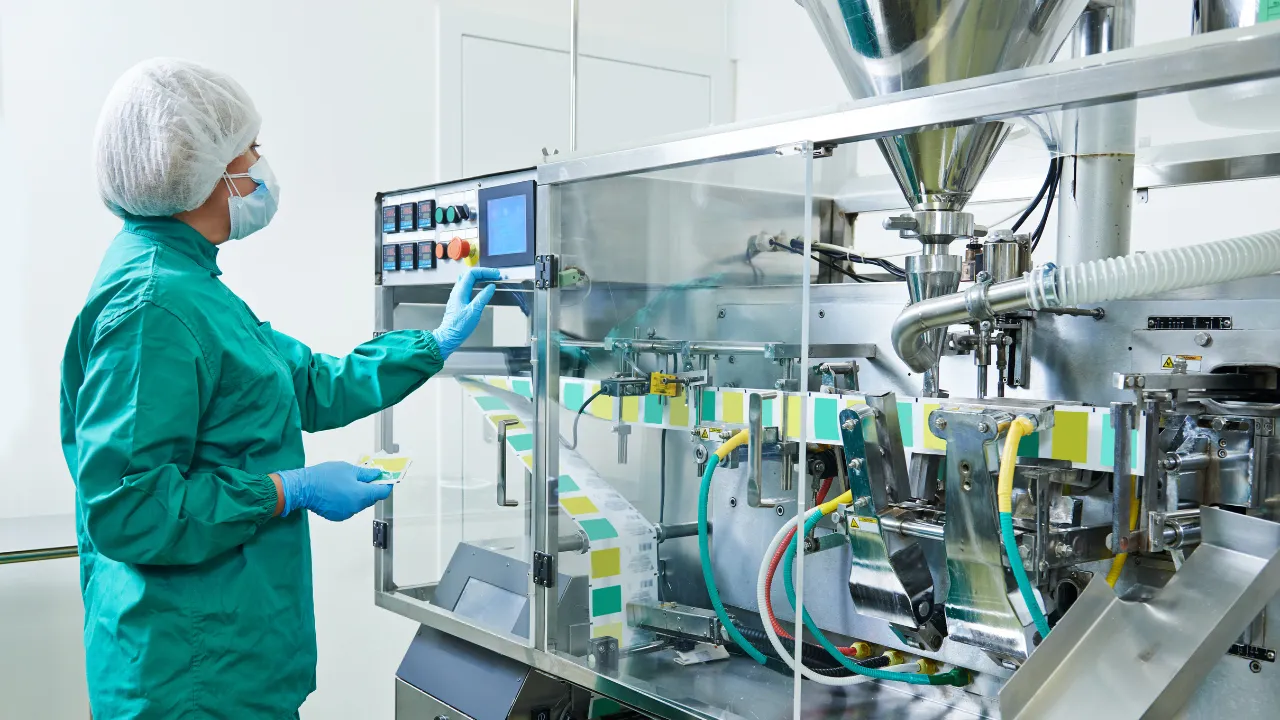
Today’s maintenance teams face three interconnected challenges that compound one another.
First, equipment aging. According to the U.S. Census Bureau’s Annual Survey of Manufactures, the average age of industrial equipment in the United States continues to climb. Many plants are running machines that are 15, 20, or even 30+ years old. Older equipment breaks down more often, requires more specialized parts, and demands deeper expertise to maintain — expertise that’s becoming harder to find.
Second, a severe labor shortage. The Manufacturing Institute projects that by 2030, the U.S. manufacturing sector could face a shortage of up to 2.1 million skilled workers. Maintenance technicians — roles that require years of hands-on training — are among the hardest positions to fill. Many experienced technicians are approaching retirement age, and there simply aren’t enough new hires entering the field to replace them.
Third, the knowledge transfer gap. When a veteran technician with 30 years of experience retires, they don’t just leave behind an empty chair — they take with them an irreplaceable mental library of sounds, vibrations, smells, and patterns that no manual has ever captured. This “tribal knowledge” is the backbone of effective maintenance, and losing it can leave entire teams scrambling when unfamiliar failures occur.
The “Veteran’s Intuition” Problem: Why Tribal Knowledge Is a Ticking Time Bomb
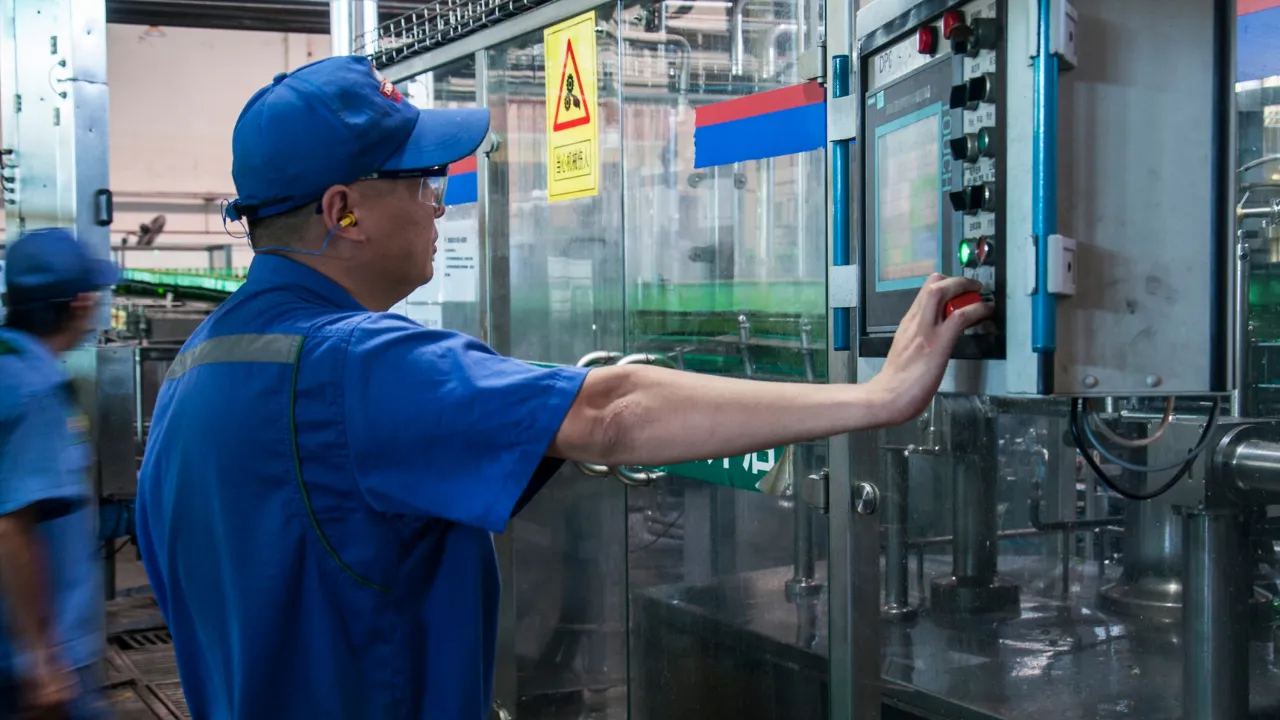
In many manufacturing facilities, the most critical maintenance knowledge lives exclusively in the heads of a handful of senior technicians. While their expertise is genuinely impressive, this level of person-dependency creates enormous organizational risk.
When that key technician calls in sick, takes vacation, or retires, no one else can perform the repair. Production schedules slip, costs spike, and in the worst cases, entire lines go down. Beyond the immediate operational impact, this dependency prevents standardization, creates inconsistent quality, and makes it nearly impossible for newer team members to develop real skills — because the knowledge they need to learn was never documented in the first place.
The solution isn’t to replace these experienced professionals — it’s to capture and systematize their knowledge so that every technician on the floor can benefit from it.
2. Two AI Approaches That Are Transforming Equipment Maintenance
AI in maintenance isn’t a single technology — it’s a toolkit with different approaches suited to different problems. Two stand out as the most impactful for manufacturing operations today.
Approach 1: Predictive Maintenance AI — Using Sensor Data to See the Future

Predictive maintenance AI represents the cutting edge of maintenance strategy, built on a simple but powerful principle: fix it before it breaks.
How it works: IoT sensors installed on equipment continuously collect data — vibration, temperature, sound, current draw, and more — 24/7/365. Machine learning algorithms (particularly deep learning models) analyze this massive data stream to learn what “normal” looks like for each piece of equipment. When the AI detects even subtle deviations from these normal patterns, it flags a potential issue before it becomes a failure.
The result: instead of reacting to breakdowns or replacing parts on a fixed schedule regardless of condition, your team gets actionable alerts like “Bearing on Line 3 press showing early-stage wear — recommend replacement within 14 days.” This eliminates both the cost of unexpected downtime and the waste of premature part replacement.
Visual inspection automation is another powerful application. AI-powered image recognition can analyze photos from drones or fixed cameras to automatically detect corrosion, cracks, or other degradation — identifying issues in hazardous or hard-to-reach areas that would be dangerous or impractical for human inspectors.
Approach 2: Knowledge-Based AI — Turning Decades of Experience Into an Accessible Asset

While predictive maintenance focuses on preventing future failures, knowledge-based AI tackles a different problem: making existing institutional knowledge accessible to everyone.
How it works: This approach uses natural language processing (NLP) and large language models to build intelligent knowledge bases from your existing maintenance records — repair logs, inspection reports, troubleshooting notes, equipment manuals, and more. The AI organizes, indexes, and connects this information so that any technician can query it in plain English.
Imagine a newer technician facing an unfamiliar error code on a CNC machine. Instead of hunting through filing cabinets or waiting for the one person who might know the answer, they simply ask the AI: “What causes error code E-4102 on the Mazak QTN-200, and how was it resolved before?” The system instantly surfaces relevant past incidents, the root causes identified, and the specific steps that worked — essentially giving every technician access to the collective experience of the entire team.
3. Real-World Benefits: How AI Changes Day-to-Day Operations
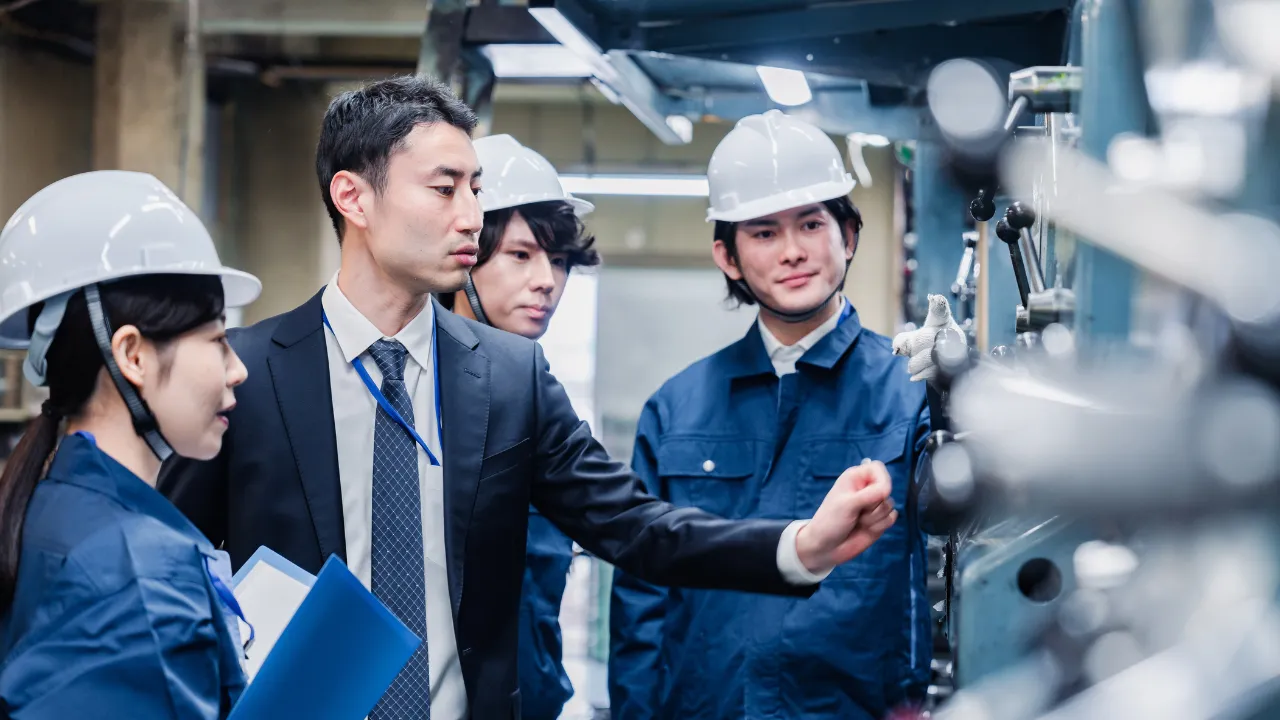
Dramatic Cost Reduction and Productivity Gains
The financial impact of AI-driven maintenance is substantial and well-documented. According to a McKinsey analysis, predictive maintenance can reduce machine downtime by 30–50% and increase equipment life by 20–40%. The U.S. Department of Energy estimates that predictive maintenance programs deliver roughly 10x return on investment, with maintenance cost savings of 25–30% compared to reactive approaches.
These aren’t theoretical numbers. Plants that have implemented AI-powered maintenance consistently report fewer unplanned shutdowns, lower spare parts inventory costs, more efficient use of technician time, and significant improvements in overall equipment effectiveness (OEE).
Leveling the Playing Field: Solving the Knowledge Gap
Beyond cost savings, AI addresses the workforce challenge head-on. With a knowledge-based AI system in place, a technician with two years of experience can access the same troubleshooting insights as someone with twenty. This doesn’t diminish the value of experience — it amplifies it by making hard-won knowledge available organization-wide.
The result is faster onboarding for new hires, more consistent repair quality across shifts, reduced dependency on any single individual, and a living knowledge base that actually grows more valuable over time.
4. A Practical Roadmap for AI Adoption

Four Steps to Get Started
Step 1 — Assess and prioritize. Start by identifying your highest-impact opportunities. Which equipment lines cause the most downtime? Where are the biggest knowledge gaps? A focused assessment helps you target the areas where AI will deliver the fastest ROI.
Step 2 — Collect and organize your data. AI needs fuel, and that fuel is data. Begin digitizing maintenance records, standardizing how failures and repairs are logged, and if pursuing predictive maintenance, installing IoT sensors on priority equipment. Even imperfect historical data has value — the key is to start building a structured foundation.
Step 3 — Pilot with a focused scope. Don’t try to transform everything at once. Select one production line or one equipment category for a pilot project. This controlled approach lets you demonstrate value, learn what works, and build internal buy-in before scaling.
Step 4 — Scale and continuously improve. Based on pilot results, expand to additional equipment and use cases. AI systems improve over time as they process more data, so build in regular review cycles to retrain models and refine the system’s recommendations.
Common Obstacles and How to Overcome Them
Initial cost concerns: Frame AI adoption as an investment, not an expense. With documented ROI of 10x on predictive maintenance programs, the payback period is typically measured in months, not years. Federal and state manufacturing incentive programs may also offset implementation costs.
Data gaps: Don’t let perfect be the enemy of good. Anomaly detection models can work with normal-state data alone, and knowledge bases can start with whatever historical records exist. The system becomes more powerful as you add data over time.
Lack of in-house AI expertise: Modern AI platforms are designed for operational teams, not data scientists. Look for solutions with intuitive interfaces and strong implementation support. You don’t need a PhD to use these tools effectively.
Resistance from the floor: This is often the biggest hurdle, and the solution is inclusion, not mandate. Start small, let results speak for themselves, and involve experienced technicians in the process. When veterans see AI as a tool that amplifies their expertise rather than replacing it, adoption accelerates naturally.
5. The Future: When AI and Technicians Work as Partners

AI isn’t here to replace skilled maintenance technicians — it’s here to make them more effective. The future of maintenance isn’t “AI or people.” It’s “AI and people,” where technology handles the data processing, pattern recognition, and knowledge retrieval, while humans bring judgment, creativity, and hands-on problem-solving.
This partnership creates a new kind of maintenance professional — one who combines practical skills with data literacy, who can interpret AI recommendations and apply them with real-world context. For organizations, the key investment isn’t just in technology; it’s in building a culture where every repair, every inspection, and every troubleshooting session gets documented and fed back into the system.
Because ultimately, every record you create today becomes an asset that makes your operation smarter tomorrow.
6. Introducing Fixey: Your AI-Powered Maintenance Partner
At FAcraft, we’ve built Fixey — an AI maintenance agent designed specifically for manufacturing environments — to address these challenges head-on.
Instant troubleshooting from your maintenance history: Fixey learns from your existing repair records, equipment manuals, and maintenance logs. When a problem occurs, any technician can ask Fixey for guidance and get relevant, context-specific answers drawn from your organization’s actual experience.
Knowledge that grows with every repair: Every new maintenance event feeds back into Fixey’s knowledge base, making the system progressively smarter. The expertise of your best technicians becomes a permanent organizational asset.
Accessible to everyone on the team: Fixey is designed for maintenance professionals, not IT specialists. The conversational interface means technicians can get answers in plain English, right on the shop floor, without specialized training.
7. Conclusion

The challenges facing manufacturing maintenance — aging equipment, workforce shortages, and the loss of institutional knowledge — aren’t going away. But with AI, they become manageable. Whether through predictive maintenance that catches failures before they happen, or knowledge-based AI that puts decades of experience at every technician’s fingertips, the technology exists today to fundamentally improve how maintenance gets done.
The path forward starts with a single step: capturing and organizing your maintenance data. Every record you create, every repair you document, every inspection you log — it all becomes fuel for an AI system that will protect your equipment, empower your team, and strengthen your operation for years to come.
Ready to see how AI can transform your maintenance operation? Request a live demo of Fixey and discover how leading manufacturers are already putting these capabilities to work.